Skip to content
Data Privacy
Data Privacy

Discover and mitigate data privacy risks across your organization

Protect sensitive data and unlock its full value with confidence. Collibra helps teams use data safely, build trust and accelerate innovation while meeting evolving privacy expectations across your organization.

Key features
and capabilities

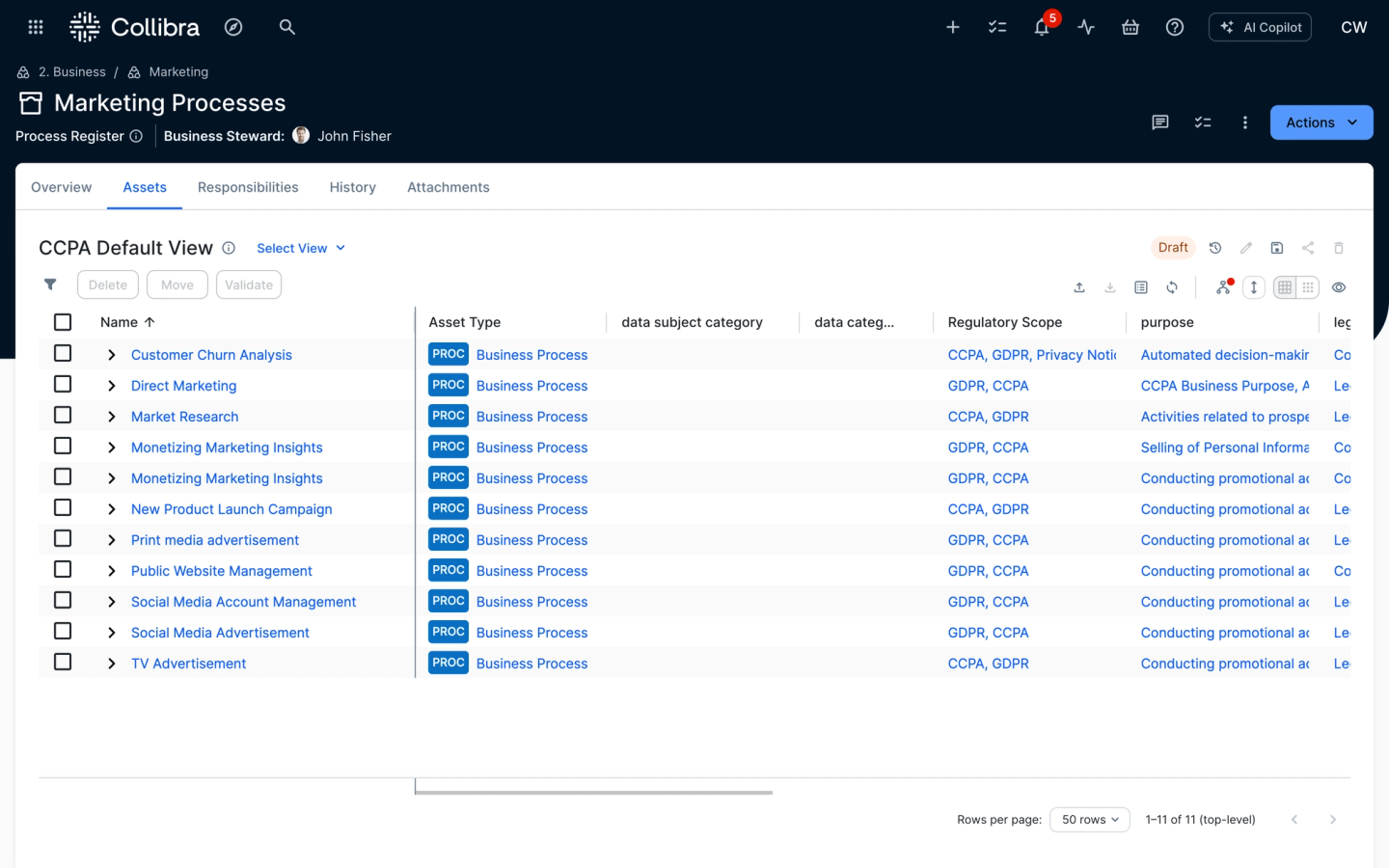
Collibra centralizes privacy controls to help you uncover insights, protect sensitive data, and enable trusted, compliant use. Empower your teams to work confidently with data while staying aligned with evolving regulations.

Discover sensitive data

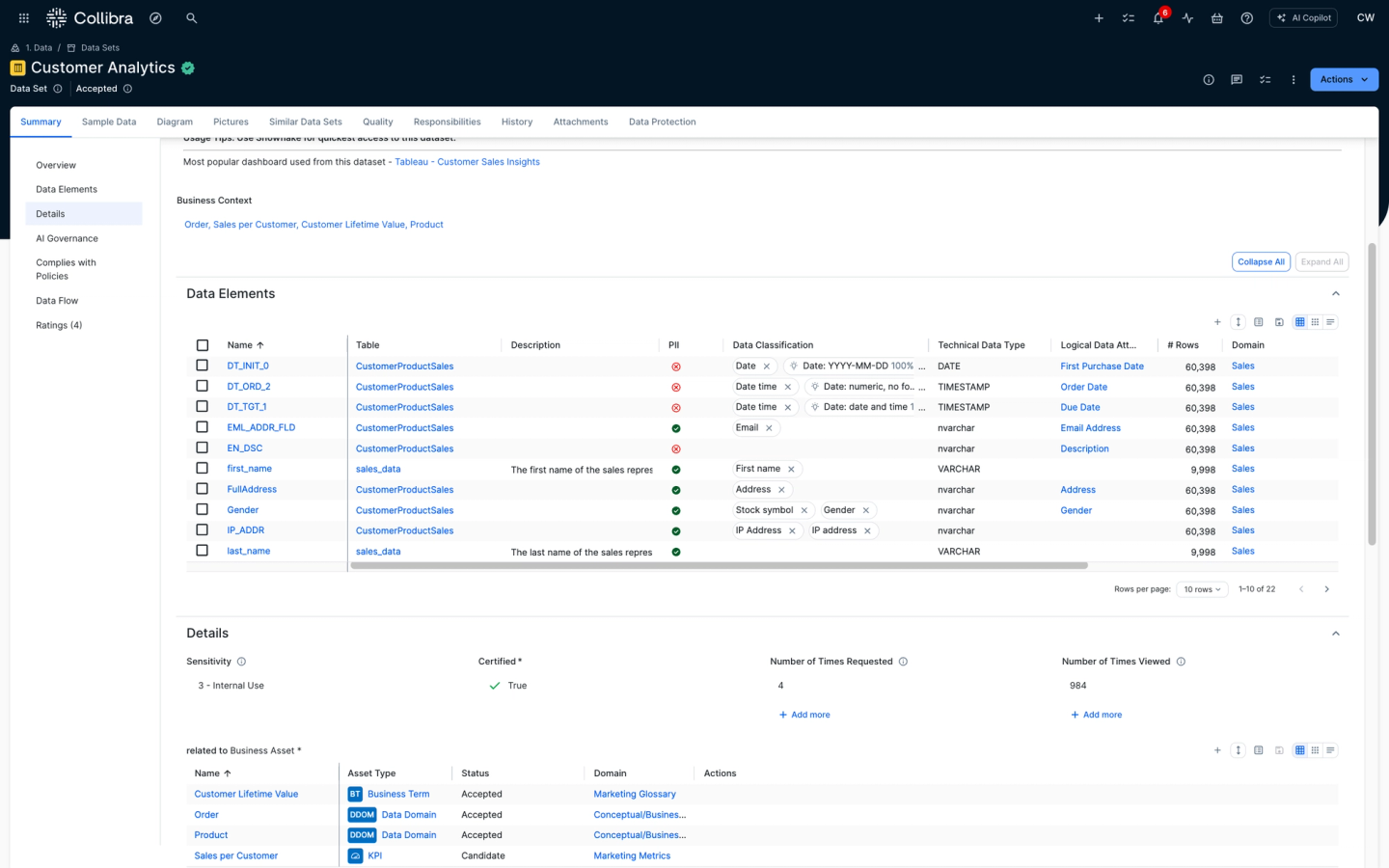
Easily discover sensitive data in every format and understand how it moves across teams and third parties. Gain clarity, strengthen protection and enable confident, compliant data use.

Track and report for compliance

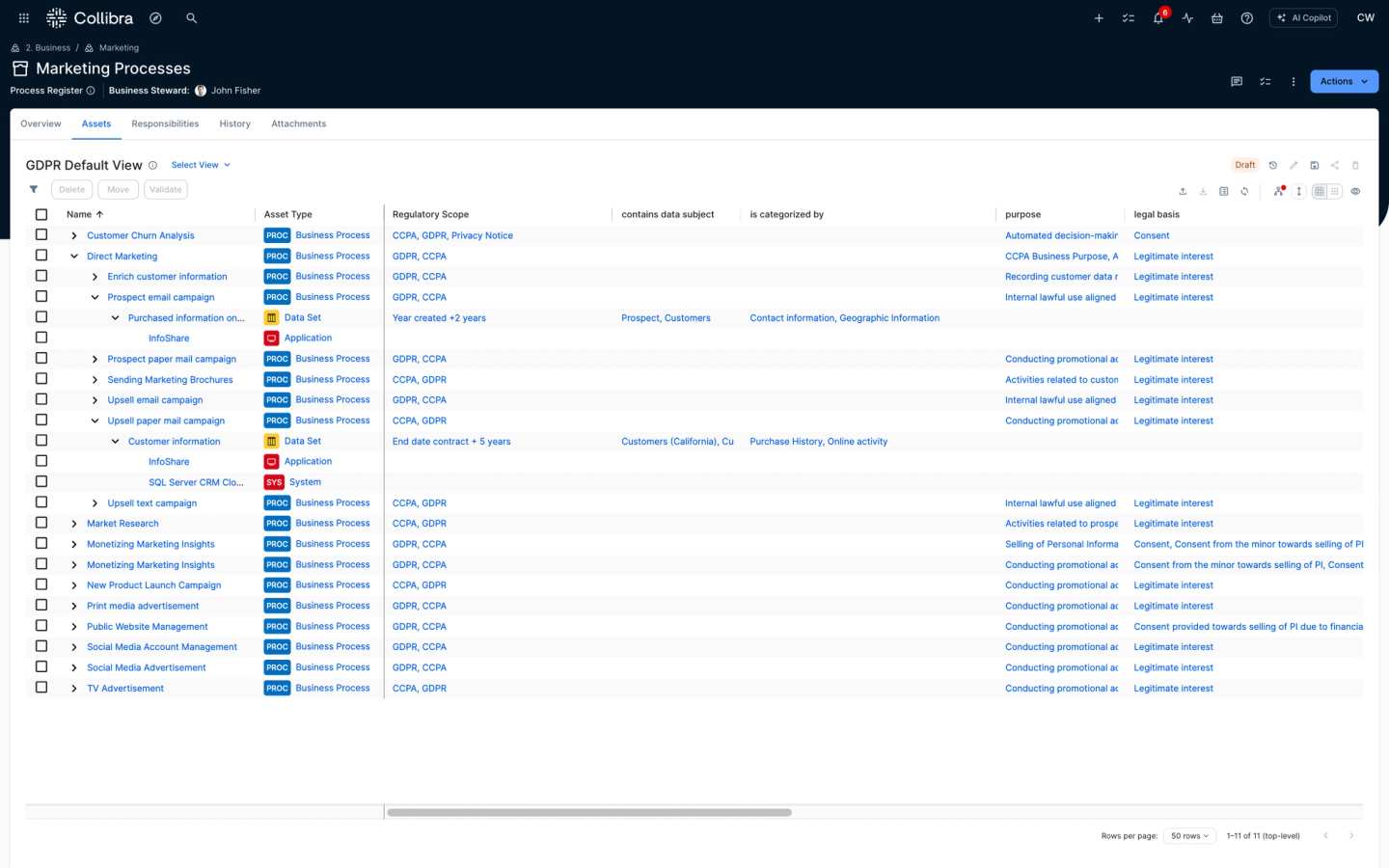
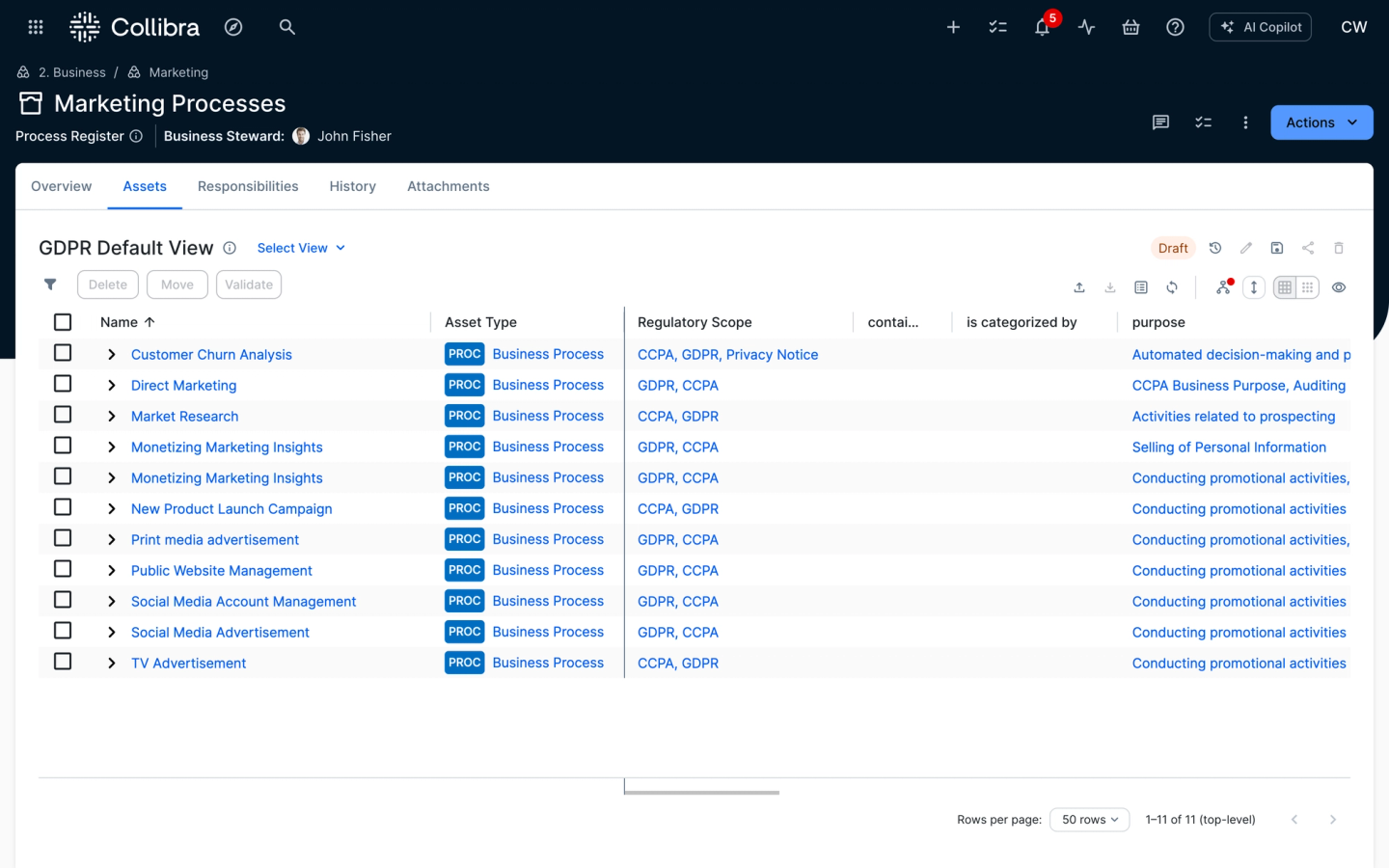
Automate privacy and risk actions across your data landscape, ensuring consistent enforcement and delivering trusted, audit-ready reporting for customers and regulators.

Assess and mitigate data privacy risks

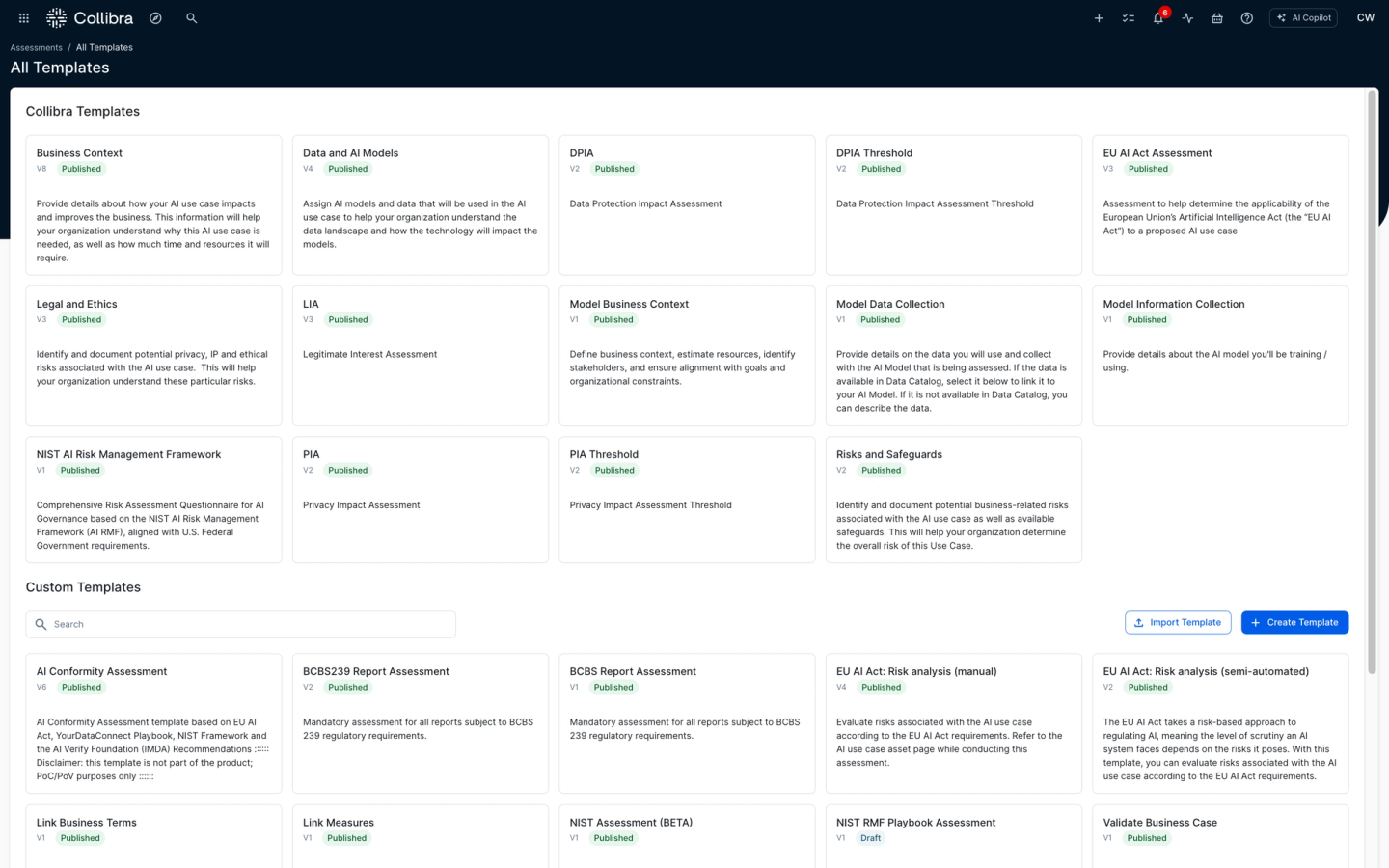
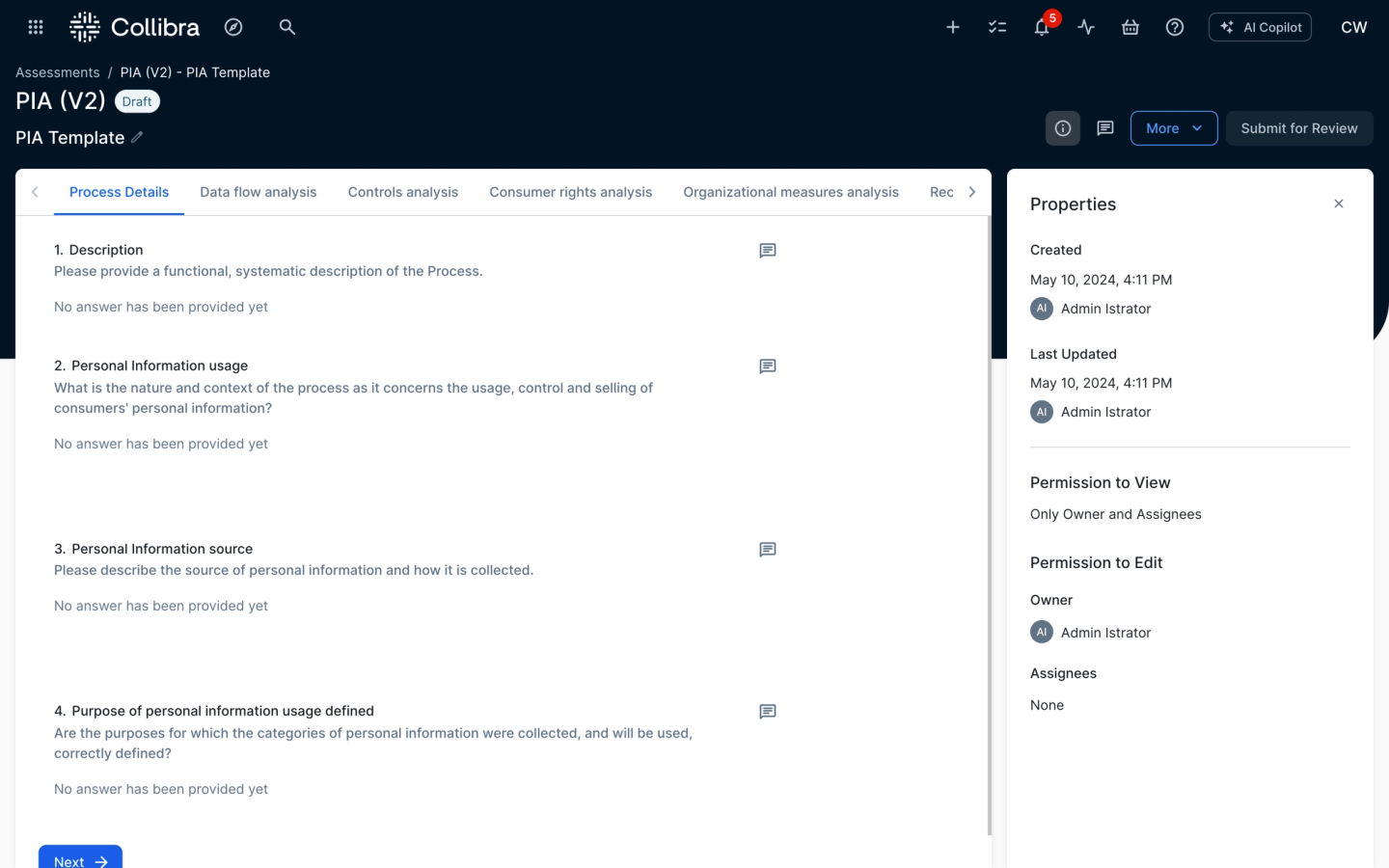
Gain a clear view of privacy risks and create targeted policies that flow through your data landscape, helping you reduce exposure and ensure consistent, responsible data use.

Learn how Data Privacy transforms and enables your teams

Featured resource

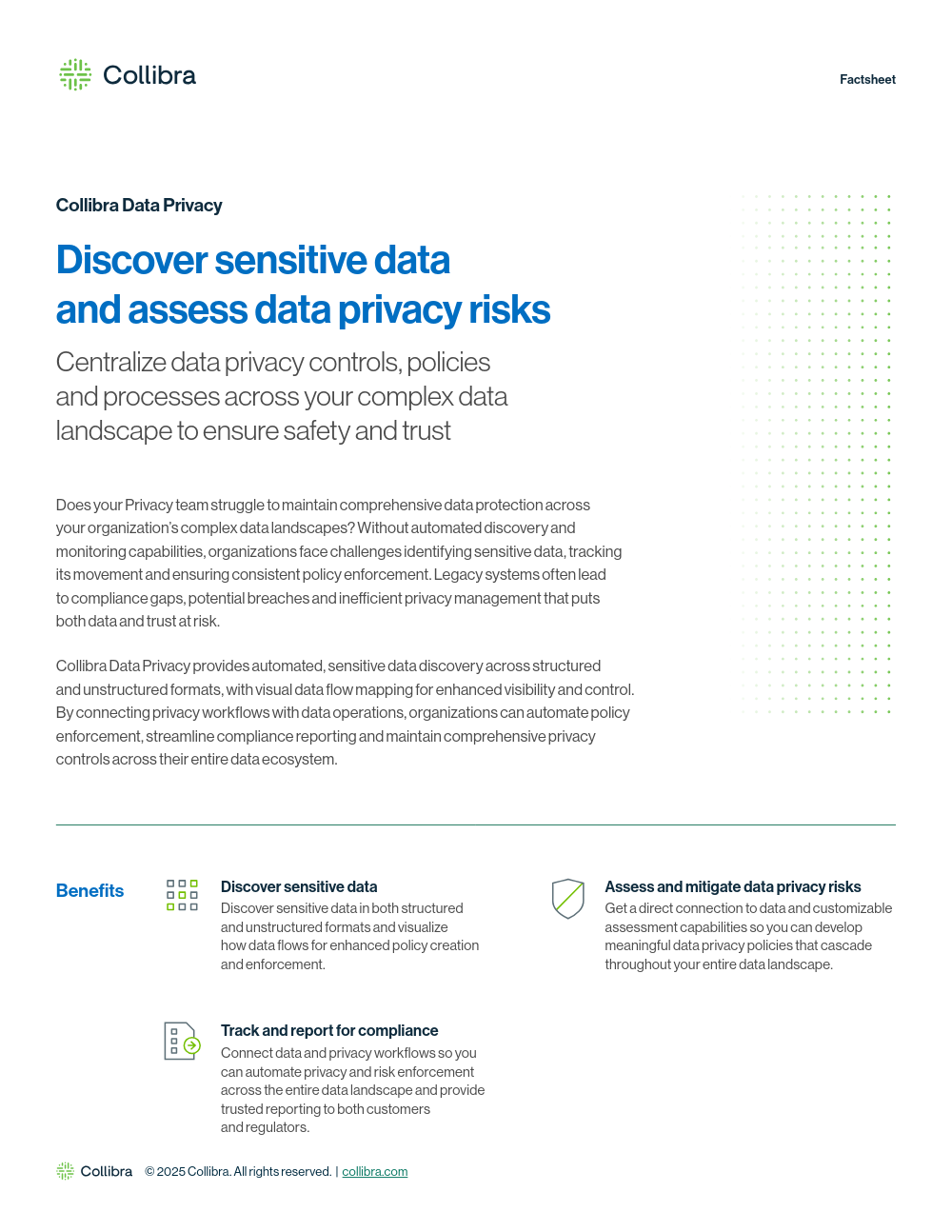
Factsheet

Collibra Data Privacy: Discover sensitive data and assess data privacy risks

Collibra Data Privacy helps organizations automate privacy workflows, discover sensitive data and enforce compliance policies. With advanced data flow visualization and centralized controls, you can build trust while managing risks across your data ecosystem.

Get the factsheet
Featured resource

Workbook

The blueprint for data privacy in the age of AI

This workbook is designed for organizations and teams that want to get data privacy right from the start, especially when it comes to AI. Data privacy requires effort from across the organization, including AI governance stakeholders.

Get the workbook

Learn. Grow. Be inspired.

From expert insights to guided learning paths and in-depth product resources, we make it easy for every Data Citizen to use data.

Consistently recognized as a leader, setting the standard for what’s next

Gartner® Magic Quadrant for Data and Analytics Governance Platforms

Get the Gartner report

Collibra recognized as a Leader in The Forrester Wave: Enterprise Data Catalogs, Q3 2024

Get the Forrester Wave report

Frequently asked questions

What is data privacy management?

Data privacy management refers to the processes, tools and strategies organizations use to ensure personal and confidential information is collected, stored and handled responsibly. It embraces a suite of policies to protect data from unauthorized access while ensuring regulatory compliance. As data volumes grow and regulations become more stringent, businesses have to adopt a robust set of data privacy management solutions to safeguard sensitive information and maintain trust with customers.

Comprehensive data privacy management solutions help foster better consumer trust. Customers expect their data to be handled responsibly and businesses that prioritize privacy demonstrate their commitment to ethical data practices. A data privacy compliance software solution helps organizations adhere to industry regulations and best practices, ensuring personal information is used appropriately.

Comprehensive data privacy management systems have to include several key components. Data privacy tools, such as privacy monitoring software and personal data management software, help organizations classify, track and protect sensitive information. A GDPR privacy management platform enables compliance with the European Union’s General Data Protection Regulation by enforcing policies for data handling and retention. Privacy compliance software and data protection management software help businesses navigate complex regulatory landscapes, ensuring adherence to evolving laws.

Why is data privacy important?

Protecting personal and confidential information is central to today’s digital landscape. Data breaches expose businesses and individuals to significant risks, including financial losses, reputational damage and legal consequences. Organizations that implement strong data privacy management strategies can reduce these risks by proactively safeguarding sensitive information and ensuring compliance with regulatory standards.

Data privacy management also benefits businesses. By leveraging data privacy compliance tools, organizations can streamline operations, improve data governance and minimize legal exposure. A well-implemented data privacy management solution enhances operational efficiency, reduces compliance costs and creates a secure environment for handling sensitive information. As data privacy regulations evolve, companies must remain proactive in adopting data privacy management tools to stay compliant and competitive.

What is the difference between data privacy and data security?

While data privacy and data security are closely related, they address different aspects of information protection. Data privacy focuses on how personal information is collected, stored and shared. This involves implementing policies and technologies that ensure data is used in accordance with legal and ethical standards. A data privacy management system helps businesses maintain compliance and protect sensitive information from misuse.

Data security, on the other hand, describes the measures taken to prevent unauthorized access, theft or corruption of data. It includes encryption, access controls and cybersecurity protocols designed to safeguard information from breaches and cyber threats. Both data privacy and security are essential for protecting consumer data and organizations must integrate both practices to build a comprehensive data governance strategy.

What role does the U.S. government have in ensuring consumer data privacy?

Unlike some other regions, the United States doesn't have a single, comprehensive data privacy law on a national level. Instead, multiple federal laws govern different types of data and states have implemented regulations to address privacy concerns. This fragmented approach means businesses must navigate a complex regulatory landscape to ensure compliance.

At the federal level, laws such as the Health Insurance Portability and Accountability Act protect medical data, while the Gramm-Leach-Bliley Act governs financial information. The Federal Trade Commission also plays a role in enforcing data privacy standards, holding companies accountable for misleading or inadequate privacy practices.

States have taken steps to address gaps in federal regulations. The California Consumer Privacy Act grants residents rights over their personal data, including the ability to opt out of data sharing and request data deletion. Other states have introduced privacy laws, creating a patchwork of regulations businesses must comply with. To manage these complexities, organizations rely on privacy compliance software and GDPR privacy management software to ensure they meet legal requirements across multiple jurisdictions.

The road to Data Confidence. Get started today.